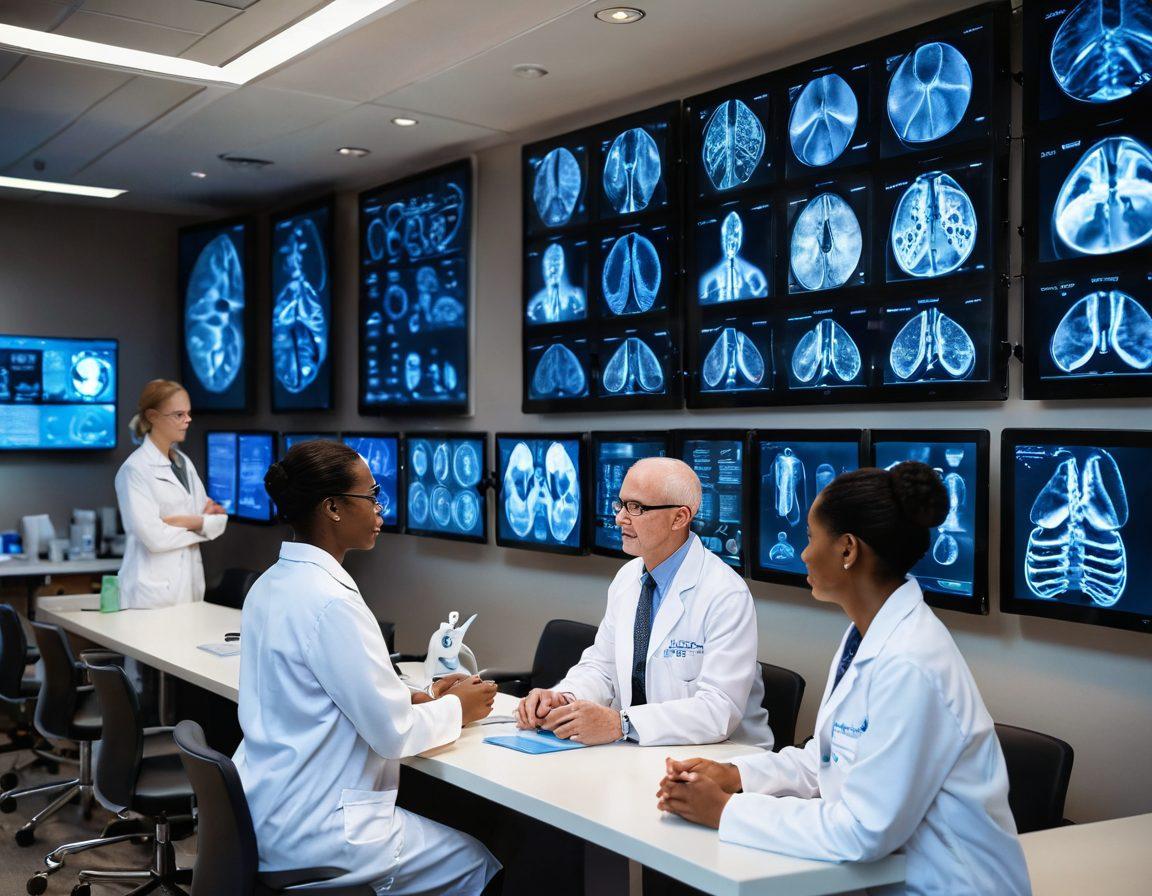
Innovations in Oncology: How Biotechnology is Transforming Cancer Care and Patient Outcomes
In an age where technology is rapidly advancing at an unprecedented pace, it's no surprise that industries are undergoing transformative changes that resonate with us all. The field of oncology, which focuses on the prevention, diagnosis, and treatment of cancer, is witnessing a revolutionary shift thanks to burgeoning advancements in biotechnology. Imagine a future where a mere blood test could lead to the early diagnosis of malignancies, where innovative treatments replace the traditional courses of chemotherapy and radiation therapy. Welcome to the era of biotech, where every breakthrough in medical research is a step closer to a world that wins the fight against cancer.
Biotechnology's foray into oncology is more than just a scientific revolution; it's a tale of hope. Consider the story of Anna, a resilient young woman faced with the daunting diagnosis of carcinoma. Following a standard procedure of chemotherapy, Anna struggled with debilitating symptoms and a sense of despair. However, her oncologist recommended a novel immunotherapy treatment developed through the latest biotech breakthroughs. This transformative approach empowered Anna’s immune system to directly target her tumor, resulting in significant improvement in her health and overall wellness. Her journey embodies the thematic shift to personalized cancer treatment, which is redefining patient support systems and outcomes.
How does this technology work, and what does it mean for patients? At the core of biomechanical innovation is the ability to leverage data and design targeted therapies that respond to the unique genetic makeup of a patient's tumor. Imagine the potential of personalized medicine, where treatments are selected based on the specific mutations and characteristics of an individual’s malignancy. Clinical studies are already exploring how these targeted therapies can be more effective than traditional chemotherapy, often accompanied by fewer side effects. This personalized approach isn’t just about treating symptoms; it’s about revolutionizing cancer awareness and prevention strategies, leading to healthier future generations.
As we embrace this exciting shift, health education plays a crucial role. Patients equipped with information about biotechnology innovations can better advocate for their healthcare choices. It raises the question: how can we enhance cancer prevention efforts using biotech advancements? By integrating health education into community programs, we can empower individuals to recognize symptoms earlier, access resources for diagnosis sooner, and actively participate in clinical studies that unlock the potential of new treatments. The fusion of education and medical technology is a powerful way to increase cancer survival rates and transform patient experiences.
Ultimately, the advent of biotechnology in oncology doesn’t just change the method of treatment; it changes the narrative around cancer survivorship. As pioneers in this field unlock new possibilities, the future looks brighter for anyone facing cancer. Patients now have a plethora of options at their disposal, making the words 'cancer diagnosis' somewhat less daunting. The journey from being a patient to a survivor can be reimagined as one filled with hope, collaboration, and positive outcomes. This is the promise of biotechnology: a collective step forward towards a world where the specter of cancer is no longer an insurmountable challenge but a conquerable journey.
From Bench to Bedside: Harnessing Innovations in Medical Technology for Superior Cancer Care
In the ever-evolving landscape of oncology, the quest for improving cancer care is more urgent than ever. Picture a world where a tumor can be precisely targeted, where cancer is not an insurmountable barrier but a challenge met with cutting-edge medical technology. This is the potential that biotechnology brings to the table. It’s like standing at the forefront of a battle against malignancy, equipped with advanced tools that can revolutionize treatment options for carcinoma patients. As innovations spring forth from academic laboratories into bedside applications, the future of healthcare looks decidedly brighter. How are we harnessing these advancements to create superior cancer care for patients today?
The transition from bench to bedside isn't always seamless, but recent clinical studies show promising results in combating various cancers. Techniques such as immunotherapy represent one such leap forward. By training the body’s own immune system to identify and attack malignant cells, patients are experiencing less toxicity compared to traditional chemotherapy or radiation therapy. Imagine a world where cancer patients are informed and empowered, where health education is readily available, and where symptoms can be managed more effectively. It makes you wonder: with such tools at our disposal, can we truly turn the tide on cancer?
Incorporating biotechnology into cancer prevention strategies is another powerful component of this innovation revolution. New methodologies in medical research have led to the development of targeted therapies that take patient-specific tumor genetics into account. This personalized approach to treatment not only maximizes efficacy but also minimizes potential side effects. It's critical that we share this journey toward wellness—knowledge about how advancements in medical technology can influence survivorship is paramount. Are we doing enough to educate the public about these innovative techniques that could save lives?
Patient support has undeniably transformed in this technology-driven era. Every day, more cancer survivors are sharing their stories, embodying resilience and hope. Oncology professionals are utilizing digital platforms to guide patients through the journey of diagnosis and treatment, creating a community where questions and experiences are shared openly. This array of support networks fosters a culture of cancer awareness, advocating not just for treatment but for a holistic approach to wellness. How can we bolster these initiatives to ensure that every patient knows they’re not alone in their fight against malignancy?
As we harness the power of biotechnology in oncology, we have a moral obligation to champion these breakthroughs for all. From facilitating access to cutting-edge therapies to supporting comprehensive health education campaigns, it’s imperative that we advocate for a future where cancer care is accessible and effective. Let’s keep the conversation alive around cancer prevention, symptom management, and the latest in medical technologies. After all, understanding these innovations is the first step toward improving patient outcomes and ensuring more lives are touched by the advances of modern science. The cure for cancer might still be on the horizon, but with each stride we make, the future becomes increasingly promising.
Empowering Patients: How Cutting-Edge Biotechnology Enhances Wellness and Survivorship in Oncology
In the realm of oncology, where shadows of malignancy loom, a new dawn is breaking, illuminated by the brilliance of biotechnology. Imagine a world where patients are not merely treated but empowered—where they are vital participants in their own wellness journey. This shift is not just a dream; it’s unfolding right now, transforming the way we understand cancer care and survivorship. Are you ready to explore how cutting-edge medical technology is enhancing lives and providing hope in what was once deemed a daunting battle?
Through the lens of this innovation, we find stories that inspire. Picture a patient diagnosed with carcinoma, grappling with fear and uncertainty. But instead of surrendering to despair, they are equipped with the latest immunotherapy treatments, designed to harness the body's own defenses against their tumor. "The future of cancer care isn’t about just fighting the disease; it’s about empowering patients to reclaim their lives," says Dr. Alice Harper, a leader in oncology medical research. This paradigm shift encourages individuals not only to survive but to thrive—what does this mean for you and your loved ones dealing with a cancer diagnosis?
Healthcare is no longer a one-size-fits-all approach; breakthroughs in biotechnology have ushered in precision medicine, tailoring treatments to the unique genetic makeup of each patient’s malignancy. Clinical studies reveal that targeted therapies can significantly improve outcomes, making cancer prevention far more achievable. The key lies in awareness and education—how informed are you about the latest options available for treatment and the symptoms to watch out for?
Moreover, as we delve deeper into the possible repercussions of this medical revolution, it’s vital to address the importance of patient support systems. The journey through oncology can be arduous, but with biotechnology paving the way, healthcare providers now offer integrated wellness programs that prioritize mental and emotional health. By advancing cancer awareness and including educational resources, patients find solace in knowing they are not alone in this journey. How can we better support those facing a cancer diagnosis in our communities?
In conclusion, the advancements in biotechnology have redefined what it means to be a cancer survivor. The introduction of advanced treatments, comprehensive patient education, and a focus on wellness not only provide hope but also empower individuals to conquer their diagnosis. Together, we can foster a more compassionate healthcare system that embraces innovation for improved patient outcomes. After all, in the words of Nelson Mandela, "It always seems impossible until it’s done." So, let’s champion the change and enhance the lives of those navigating the intricate world of oncology.